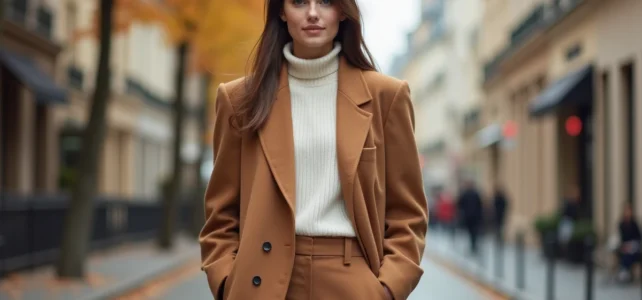
This season’s fashion trends are structured around precise signals from runway shows and product data: the return of coordinated plaid, the rise of voluminous draping, the progression of leather pants, and large polka dots inspired by contemporary art. These directions are not merely a style effect; they reflect a repositioning of brands in response to the demands for sustainability and textile traceability.
Textile Responsibility and Clothing Choices: What is Changing
Before discussing colors or silhouettes, a regulatory constraint is redefining how to approach one’s wardrobe. The logic of extended producer responsibility (EPR), strengthened at the European and national levels, pushes brands to prove their commitments beyond mere marketing rhetoric. Repairability, material traceability, measurable durability: these criteria are becoming concrete filters at the time of purchase.
Clothing labeled “recycled” still struggles to convince. Recent surveys point to a lack of transparency regarding the actual rates of recycled material and the overall footprint of the product. Adopting a sustainable personal style means checking the actual composition of pieces rather than relying on a green label.
This regulatory pressure naturally directs trends towards higher quality pieces, towards second-hand items, and towards materials with documented origins. To keep up with these developments and decode fashion trends throughout the collections, the Ei Mag fashion site offers regular analyses on these topics.
Trendy Patterns and Colors: Plaid, Large Polka Dots, and Raw Denim
The product trend data for this season highlights three families of patterns that allow for the construction of a distinctive look without falling into accumulation.
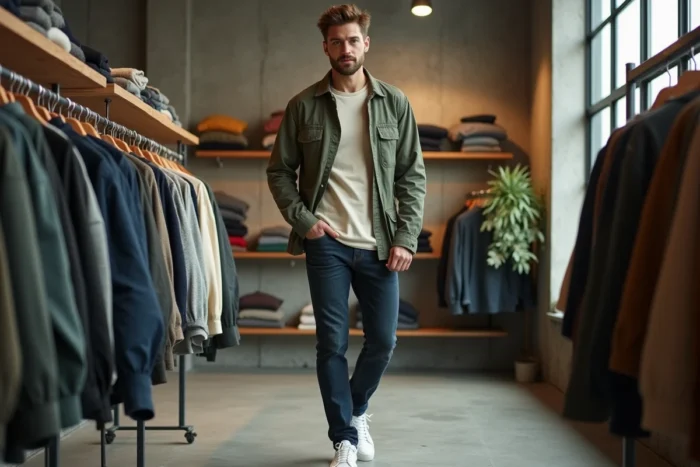
The coordinated plaid is making a strong comeback, in both women’s and men’s wardrobes. It is no longer just the tartan confined to winter scarves: plaid is now applied to complete sets (matching pants and jackets), creating a structured silhouette that works both in the office and outdoors.
The large polka dots related to contemporary art represent another strong signal. These patterns, more graphic than classic polka dots, transform a basic piece (shirt, skirt, bag) into a full-fledged outfit element. They are best worn as a unique accent on a sober outfit rather than layered with other prints.
On the material side, raw denim is gaining ground. Straight jeans are losing their predominance in favor of more tailored cuts. Raw, unwashed denim offers a denser texture and ages over time, aligning with the sustainability logic mentioned earlier.
Key Silhouettes: Voluminous Draping, Leather, and Structured Bags
Three silhouette axes emerge to compose a coherent outfit this season.
- The voluminous draping adds movement to dresses and tops without weighing down the silhouette. This manipulation of fabric, often associated with designer pieces, is becoming more accessible in mid-range clothing. Draping works particularly well with fluid materials, worn with a structured accessory to balance proportions.
- Leather pants, once reserved for evening looks, are now worn in everyday settings. Soft leather (or traceable plant-based alternatives) replaces the stiff leather of previous decades, making the piece more versatile.
- Minimalist structured bags complete these silhouettes. Their geometric lines contrast with the draping or fluidity of the rest of the outfit, creating a visual balance without multiplying accessories.
These three elements do not work in accumulation. The principle remains to choose a focal point per outfit (either the draping or the leather, rarely both) and to let accessories play a discreet counterpoint role.

Building a Personal Style with Seasonal Trends
Adopting a trend does not mean replicating a runway look. The challenge is to integrate one or two trendy pieces into an existing wardrobe while respecting a few technical principles.
The first criterion is texture compatibility. Soft leather pants pair well with a raw cotton or linen top, not with another shiny fabric. The coordinated plaid benefits from being worn with solid colors to avoid visual overload.
The second criterion concerns proportions. Voluminous draping works on the upper body if the lower part remains fitted, and vice versa. Large polka dots, due to their graphic scale, require a simple cut on the piece that carries them.
- Pair a single patterned piece (plaid or polka dots) with neutral basics
- Favor a structured bag when the outfit has volume or draping
- Check the actual composition of materials before purchase, especially for leather and denim
Personal style is built through subtraction rather than addition. An outfit with a single strong element, well chosen, has a greater impact than an assembly of five overlapping trends.
Flat seams, a technical detail noted in several collections, offer a final lever of differentiation. This type of finish, discreet yet visible up close, signals quality craftsmanship and extends the garment’s lifespan. A selection criterion that aligns with the sustainable fashion logic promoted by new textile regulations.