The usual framework for analyzing glamour and lifestyle is no longer sufficient to understand what is happening in the sector. European luxury brands are entering a phase of maturity where differentiation relies on regulatory compliance, technology, and perceived value. For those following fashion, beauty, and wellness trends with a professional eye, the weak signals of 2026 sketch a landscape very different from what generalist magazines offer.
Digital product passport and textile traceability: the new glamour filter
The European strategy for sustainable and circular textiles is changing the game for the entire fashion-beauty industry. The REACH chemical restrictions and the upcoming digital product passports require brands to document every step of their supply chain. This is no longer a marketing argument; it is an operational infrastructure.
We observe that brands anticipating this constraint gain a direct competitive advantage. A well-designed digital passport becomes a storytelling tool: the customer accesses the origin of materials, certifications, and manufacturing conditions. For influencers and lifestyle content creators, sharing this data now serves as a marker of credibility with an informed audience.
Specialized publications covering these structural changes offer a richer angle than mere commented runway shows, and learning more about Chroniques Blondes illustrates this editorial approach focused on analysis rather than surface.
This regulatory shift also affects beauty. Cosmetic formulations must meet increasing transparency requirements, redistributing the cards between historic brands and independent labels capable of proving their compliance.
Virtual fitting and AI styling: what luxury is really testing
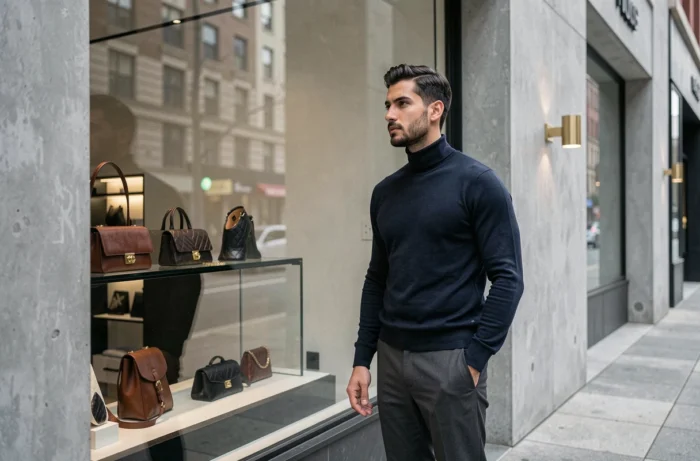
Virtual fitting and AI-assisted styling services are no longer just gadgets. Luxury brands are developing hybrid journeys that combine online discovery with private in-store appointments. The goal is not to replace the physical experience but to qualify the customer before they walk through the door.
In practice, a recommendation algorithm analyzes declared preferences and browsing behavior to propose a coherent selection. The in-store appointment then becomes a moment of validation, not discovery. This model reduces return rates and increases average basket size.
For trend enthusiasts, this evolution also changes how fashion news is consumed. Instagram or blog content that tests these tools generates higher engagement than simple look carousels. The format “I test the AI styling of this brand” is establishing itself as a distinct editorial genre in the lifestyle sphere.
What distinguishes a functional tool from a PR stunt
We recommend checking three criteria before sharing these innovations:
- Is the technology accessible to the end customer or reserved for a limited test panel?
- Does the service include a feedback loop (user feedback taken into account to refine suggestions)?
- Does the tool work across the entire catalog or is it limited to a few key pieces?
A tool that ticks all three boxes deserves coverage. The others fall under the category of disguised press releases.
Sleep tourism and wellness: the lifestyle trend reshaping luxury hospitality
“Sleep tourism” is transforming wellness into a criterion for hotel selection. Travelers are seeking stays designed around rest: rooms optimized for silence, flexible schedules, dedicated sleep spaces, and specific treatments. According to Hilton’s 2025 report cited by Firstpost, sleep is becoming the central pillar of wellness offerings in luxury hospitality.
This trend goes beyond the simple spa. It influences the architectural design of establishments, material choices, lighting programming, and even menus. Lifestyle brands covering travel are now integrating these parameters into their recommendations.
Profile of the wellness traveler in 2026
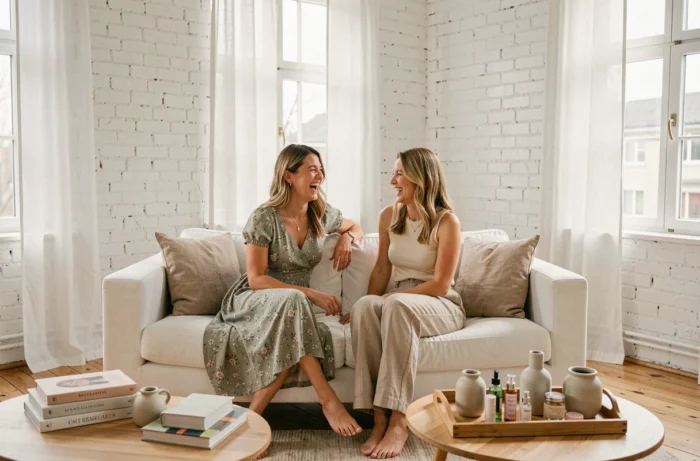
The contemporary wellness traveler is not looking for a rigid program. The rise of the “commitment-free wellness traveler” confirms a preference for modular offers, without commitment to duration or treatment content. Millennials and Generation Z are driving this redefinition of wellness, where physical recovery takes precedence over codified rituals.
For content creators and lifestyle magazines, covering this niche requires going beyond simple hotel reporting. It is necessary to assess the acoustic quality of a room, the relevance of a sleep protocol, and the coherence between promise and actual experience.
Fashion and celebrities on Instagram: beyond the number of followers
The reading of the celebrity and fashion landscape on social networks has changed. The number of followers is no longer sufficient to qualify an influencer or a lifestyle account. Luxury brands now prioritize contextual engagement rates, editorial coherence, and the ability to produce content that fosters conversation.
An account with a large audience but no identifiable editorial line loses value for luxury sector advertisers. The shared posts that perform well are those that combine a personal viewpoint with verifiable information: documented product tests, runway analysis, feedback on a treatment or a trip.
- Brands measure the “saved rate” as an indicator of perceived content value
- Long-term collaborations are gradually replacing one-off sponsored posts
- The short video format with analytical voiceover surpasses static carousels in terms of retention
Blogs and online magazines that aggregate this glamorous news with a critical eye occupy a niche that neither pure celebrity players nor traditional fashion titles cover adequately. The expert lifestyle genre is becoming a distinct editorial genre, halfway between a trend magazine and a sector media outlet.
The autumn 2026 season will confirm whether these dynamics, from textile traceability to sleep tourism and algorithmic styling, establish themselves sustainably or remain confined to niches. Trend enthusiasts who want to stay ahead should focus on these structural topics rather than just the fashion show calendar.