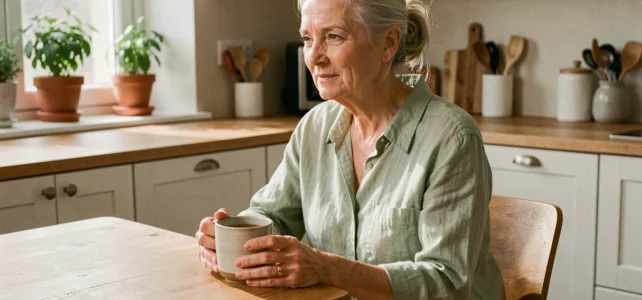
The health of seniors encompasses a range of practices from medical follow-up to home modifications, including nutrition and maintaining social connections. After the age of 60, the energy expenditure for the same physical activity increases compared to a younger adult, and the sensation of thirst diminishes. These two physiological realities shape a large part of current recommendations regarding well-being and prevention.
Fall Prevention for Seniors: Modifications Before an Accident
Falls are one of the leading causes of loss of autonomy after the age of 65. Recent recommendations emphasize a specific point: adapt the home before an accident occurs, not after.
The concrete measures focus on the immediate environment. It is not about transforming a home, but correcting details that, when accumulated, create a real risk.
- Install sufficient lighting in hallways, staircases, and bathrooms, including at night (automatic night lights with motion detection)
- Place non-slip surfaces in the shower and in front of the sink, and install grab bars at appropriate heights near the toilet and bathtub
- Remove loose rugs, cables on the floor, and low furniture that obstruct movement, especially in frequently trafficked areas
- Check that shoes worn indoors have a non-slip sole (wearing only socks on tile is a common cause of slipping)
This adaptation work is as much about prevention as it is about care. It can be supported by an occupational therapist or local home support services. Those seeking senior information on France Médicale will find additional resources on the steps to take based on their situation.
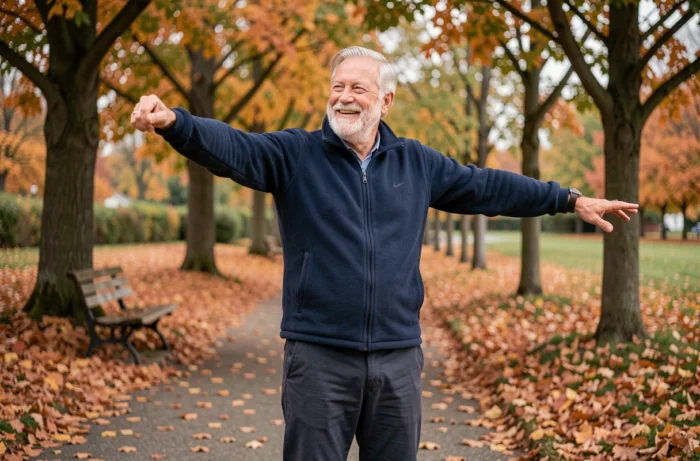
Regular Medical Follow-Up: A Lever for Autonomy, Not Just Control
Medical follow-up after the age of 60 is often seen as merely monitoring chronic diseases. Recent approaches reposition it as a tool for maintaining autonomy.
Three areas deserve particular attention during regular consultations.
Medication Interactions and Treatment Review
With age, the number of medications taken daily tends to increase. Each new treatment alters the existing balance. A regular review of prescriptions by the primary care physician, ideally once or twice a year, helps identify unnecessary prescriptions or risky interactions.
A treatment that is appropriate at 65 may become unsuitable at 75 if renal or hepatic function has changed. This reevaluation is rarely initiated by the patient themselves.
Vaccination Boosters and Immunity
The immune system loses effectiveness with aging. Vaccination boosters (seasonal flu, pneumococcus, shingles) are a preventive measure whose impact can be measured in terms of avoided hospitalizations. Addressing this topic at each annual visit is sufficient to keep the vaccination schedule up to date.
Sensory Screenings
Declines in hearing and vision often progress insidiously. Regular auditory and ophthalmological checks allow for corrections of these deficits before they lead to social withdrawal or loss of confidence in mobility. Early correction of hearing issues reduces the risk of isolation.
Mental Health of Seniors: Spotting Signals Before They Set In
Depression, anxiety, and isolation affect a significant portion of older adults, yet these issues remain underdiagnosed. Preventive content often limits itself to recommending “maintaining social connections” without specifying how to spot a shift.
Several signals should alert family members or healthcare professionals:
- A gradual withdrawal from usual activities (stopping outings, losing interest in previously enjoyed hobbies)
- Persistent sleep disturbances, a lasting loss of appetite, or fatigue that cannot be explained by an identified physical problem
- Repeated complaints of diffuse pain without a clear medical cause, which may mask a depressive state
The first reflex is to discuss it with the primary care physician. In case of crisis, 3114 (national suicide prevention hotline) is available at all times. Local initiatives, such as prevention workshops offered by pension funds or community social action centers, also provide a structured framework to break isolation.

Nutrition and Physical Activity After 60: Two Interconnected Pillars
Nutrition and physical exercise are treated separately in most guides. In practice, they function in a loop: sufficient protein intake supports muscle mass, which in turn conditions the ability to remain active.
After 60, the sensation of fullness arrives more quickly during a meal. Splitting meals into three meals supplemented by snacks (yogurt, fruit, a handful of nuts) helps meet needs without forcing appetite. Consuming eggs, meat, or fish at least once a day helps maintain muscle mass.
Regarding hydration, the decreased sensation of thirst necessitates drinking regularly without waiting to feel thirsty: water, herbal teas, soups. This simple reflex prevents dehydration, especially during heat episodes.
For physical activity, daily walking remains the most accessible foundation. So-called “gentle” activities (adapted gymnastics, aquagym, tai chi) combine balance work, muscle strengthening, and social interaction. The goal is not performance, but the regularity of an activity suited to actual capabilities.
Healthy aging relies less on spectacular actions and more on continuous adjustments: a secure home, medical follow-up focused on autonomy, vigilance regarding mental health, and nutrition tailored to actual physiological needs. These four areas, combined, form the strongest foundation for preserving quality of life after 60 years old.